What If Your Family Could Stay Connected Without Endless Texts?
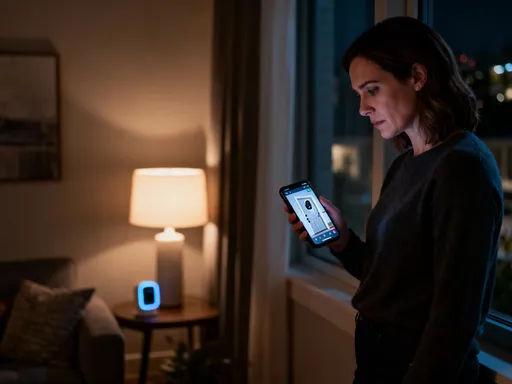
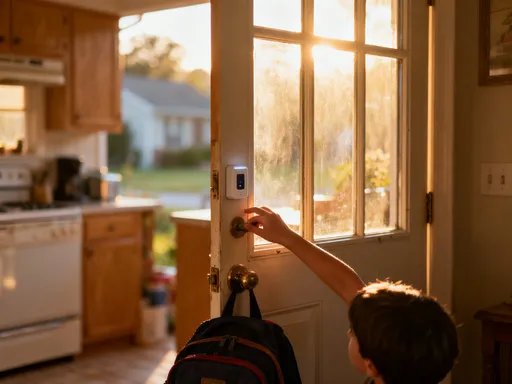
Imagine ending your day not with a flood of scattered messages, but with meaningful moments—your child sharing their school project through a quick voice note, or your partner sending a calm update instead of five back-to-back texts. We’re all trying to stay close while juggling work, chores, and personal time. What if the right tools could turn constant notifications into calm, clear connection? Let’s explore how smart, simple tech can help families communicate better—with less stress and more heart.
The Chaos of Modern Family Communication
Picture this: it’s 6:15 PM on a Tuesday. The kitchen is buzzing—pots clanging, the dog barking, someone’s forgotten their soccer cleats again. You’re stirring dinner while one kid asks about homework, the other needs a ride to practice, and your phone won’t stop buzzing. A text from your partner: “Did you pick up the prescription?” Another: “Can you remind Maya about her science fair?” Then a calendar alert: “Dad’s dentist appointment—tomorrow at 9.” By the time you reply, three more messages have piled up. Sound familiar?
We’re more connected than ever, yet so many of us feel emotionally miles apart. The irony is real—our devices were supposed to make family life easier, but instead, they’ve turned communication into a high-pressure relay race. One dropped baton, and the whole thing collapses. You miss a message. A permission slip gets overlooked. Someone feels unheard. The stress builds, not because we don’t care, but because the way we’re communicating doesn’t match how we actually live.
And here’s the thing: it’s not just about being busy. It’s about the constant mental load. Every ping demands attention. Every unread message is a tiny guilt trip. You’re not just managing a household—you’re managing an inbox. Over time, this digital noise doesn’t just distract you. It drains you. It pulls you out of the present moment, the one where your daughter is trying to show you her drawing or your son is quietly asking if you’ll be home for bedtime. We’re all trying to be present, but our tools are working against us.
Why Information Overload Hurts Family Bonds
More messages don’t mean better connection. In fact, the opposite is often true. When every detail—what’s for dinner, who’s picking up the dry cleaning, whether the vet called—comes through a separate text, important things get buried. The emotional cost? It’s higher than we realize.
Think about it. How many times has a simple request turned into a misunderstanding because it was lost in a sea of notifications? Your teenager texts, “I’m at the library,” but you miss it because it’s buried under a grocery list reminder and a group chat about weekend plans. You panic, call three times, and when they finally answer, there’s tension. “Why are you blowing up my phone?” they say. And you respond, “I was worried!” It wasn’t about the message—it was about the silence. But the real issue? The system failed, not the relationship.
And it’s not just teens. Younger kids feel it too. When a parent is constantly scrolling through messages during family time, children pick up on that distraction. They learn that their presence isn’t as important as the phone in your hand. Over time, that erodes trust. They stop sharing. They stop trying. Because why bother if Mom or Dad is always “just checking one thing”?
Then there’s the emotional fatigue. Constant digital interruptions fracture our attention. Studies show that when we’re constantly switching tasks—answering a text, checking a calendar, responding to a work email—we lose mental clarity and emotional patience. We become less present, less empathetic, and more reactive. That means more short tempers, more snapped responses, more regret later. The tools meant to help us stay close are, in many ways, making us more distant.
Rethinking Workflow: From Work to Home Life
Here’s a thought: what if we treated our homes like we treat our workplaces? Not in a rigid, corporate way—but with the same care we give to organizing projects, managing deadlines, and supporting teamwork.
At work, we don’t rely on random sticky notes or shouted reminders. We use calendars, shared documents, task lists. We automate where we can. We set up systems so everyone knows what’s expected. So why do we walk into our homes and throw all that structure out the window? Why do we expect ourselves to remember every detail, juggle every request, and respond to every text—without any real system?
The truth is, your home is a team. And like any team, it runs better with clear communication and shared responsibilities. You don’t have to turn family life into a corporate meeting, but you can borrow a few smart habits. Start with the basics: one shared calendar. Not five different apps. One place where school events, doctor visits, work trips, and soccer games all live together. When everyone can see the big picture, fewer things fall through the cracks.
Add in a simple shared task board—digital or physical—where chores, errands, and reminders are visible to all. No more “I didn’t know you needed that” or “You never told me.” This isn’t about control. It’s about clarity. It’s about reducing the mental load so you can focus on what really matters—being together, not just being busy.
And here’s the best part: when systems are in place, you actually gain freedom. You’re not constantly checking your phone because you know the calendar will alert you. You’re not repeating yourself because the chore list is clear. You’re not stressed about forgetting things because the system remembers for you. That space? That’s where peace lives.
Tools That Work Like Real Life
The best tech doesn’t feel like tech. It feels like life. It blends in. It helps without demanding attention. The key is choosing tools that match how your family actually moves through the day—not how some app developer thinks you should.
Take voice notes. A child too young to text can tap a button and say, “Mom, I made a drawing for you!” No typing. No spelling. Just their voice, full of excitement. You listen later, while folding laundry or driving home. It’s personal. It’s warm. And it takes five seconds. Apps like WhatsApp, Apple’s Voice Memos, or even simple voice messaging in family group chats make this easy. No learning curve. No pressure. Just connection.
Or consider smart calendars. Not the kind that just beep at you, but ones that adjust. Your partner’s meeting runs late? The pickup reminder shifts automatically. Traffic is bad? The app nudges you to leave earlier. These aren’t sci-fi features—they’re built into tools like Google Calendar and Apple’s Reminders. You set them once, and they work quietly in the background.
And what about the fridge whiteboard? So many families still use them—scribbling grocery lists, homework reminders, funny notes. But how often does that info get lost when someone erases it by mistake? Now imagine a digital version. A shared note app—like Google Keep or Notes—where one person snaps a photo of the whiteboard, and it’s instantly saved and visible to everyone. No more “What was on the list?” No more duplicates. Just shared clarity.
Family hubs—like smart displays in the kitchen—can also help. A glance shows the day’s schedule, the weather, upcoming events. A child can ask, “What’s for dinner?” and the answer is right there. No shouting across the house. No interruptions. These tools don’t replace conversation—they protect it. They handle the logistics so you can focus on the laughter.
How Small Changes Create Big Shifts
You don’t need a full tech overhaul. Sometimes, one small change can ripple through your whole week. Let me tell you about the Thompsons—a family of four I spoke with last month. They were drowning in messages. Three kids, two parents, two jobs, and what felt like a thousand texts a day. Then they tried one thing: a shared morning playlist.
Every night, each person adds one song they’re excited to hear the next day. Mom picks something calming. The 10-year-old adds a pop hit. The teenager reluctantly shares a track—usually something “too cool” for the rest of them. But every morning, as they get ready, that playlist plays. It’s not just music. It’s a ritual. It’s a way of saying, “I’m thinking of you.” And it replaced ten “Wake up!” texts and “Did you pack your lunch?” messages.
Next, they added a five-minute evening check-in. No phones. Just everyone in the living room, sharing one highlight and one thing they need tomorrow. The kids loved it. They felt heard. The parents loved it too—it replaced a dozen frantic texts after bedtime.
Then came the weekly voice recap. Every Sunday night, each person records a short voice note: what went well, what was hard, what they’re looking forward to. They listen while driving or doing dishes. No pressure. No performance. Just presence.
These changes didn’t fix everything. Some days were still messy. But over time, the tension eased. The texts decreased. The eye contact increased. They weren’t just sharing information—they were sharing lives.
Building Emotional Rhythm with Technology
Here’s what surprised the Thompsons most: the tools didn’t just make life easier. They made it warmer. The voice notes, the playlist, the check-ins—they created a rhythm. A predictable pulse of connection in the middle of chaos.
And that rhythm matters. Children thrive on predictability. Knowing that every Sunday night, Mom will listen to their voice note, gives them a sense of safety. Knowing that Dad always responds to their voice message by bedtime? That builds trust. These small, consistent interactions—backed by simple tech—become emotional anchors.
Think about the phrase “one good thing.” What if, every night, your family shared one good thing from their day? Could be a text, a voice note, or a sticky note on the fridge. The format doesn’t matter. What matters is the habit. Over time, this practice shifts the emotional tone of your home. Instead of focusing on what went wrong, you’re tuning into what went right. You’re training your family to notice joy.
And for parents, this is powerful. We spend so much time managing problems—homework, schedules, conflicts—that we forget to celebrate the small wins. But when your child hears you say, “One good thing today? You hugged your brother without being asked,” they feel seen. They feel loved. And that connection? It’s not built in big moments. It’s built in tiny, repeated ones—made possible by tools that support, not interrupt, your life.
Making It Stick: Simple Habits That Last
Here’s the truth: no tool works if it’s too hard to use. No habit sticks if it feels like a chore. The key to lasting change isn’t perfection—it’s kindness. Start small. Pick one thing. Try it for a week. If it works, keep it. If not, adjust. No guilt. No pressure.
Maybe it’s a shared calendar. Invite everyone. Color-code events. Set gentle reminders. See how it feels. Maybe it’s a voice note tradition—“Goodnight, I love you, here’s one thing I loved today.” Record it from your bedside. Let your kids do the same. Listen together in the morning.
Or maybe it’s a family message board app—something simple like FamilyWall or even a private Instagram-like feed just for your household. Post photos, voice clips, reminders. Let your teenager post memes. Let your spouse share a sunset pic from work. Make it feel alive. Make it feel like home.
The goal isn’t to eliminate technology. It’s to make it serve you, not the other way around. When tech is quiet, simple, and human-centered, it fades into the background—like a good helper who knows when to speak and when to listen.
And remember: some days, the system will fail. The calendar will be wrong. The voice note won’t get sent. The playlist will skip. That’s okay. What matters is the intention. What matters is that you’re trying—to be closer, to be calmer, to be more present.
Because at the end of the day, family isn’t about perfect communication. It’s about real connection. And sometimes, the right tool at the right moment—a voice message, a shared calendar alert, a photo of a scribbled note—can be the small bridge that brings you back to each other. Not with more noise. But with more heart.