Still scrolling through tasks at midnight? How I finally stopped bringing work to bed
We’ve all been there—lying in bed, eyes glued to a screen, mentally ticking through tomorrow’s to-do list. You’re exhausted, but your brain won’t shut off. I used to toss and turn, replaying unfinished projects and missed deadlines. Then I realized: the tools meant to help me were actually keeping me awake. What changed? A small shift in how I use project management platforms—one that respects both my productivity and my peace. It wasn’t about working less or deleting apps. It was about using them differently, at the right time, with clearer boundaries. And honestly? The difference in my sleep, my mood, and even my focus at work has been nothing short of transformative.
The Midnight Trap: When Productivity Tools Become Sleep Thieves
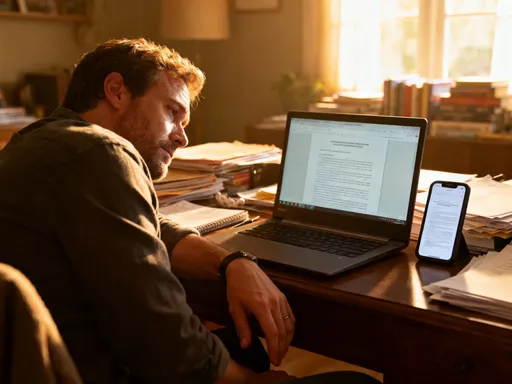
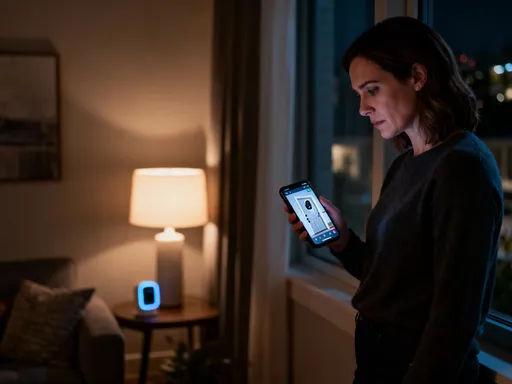
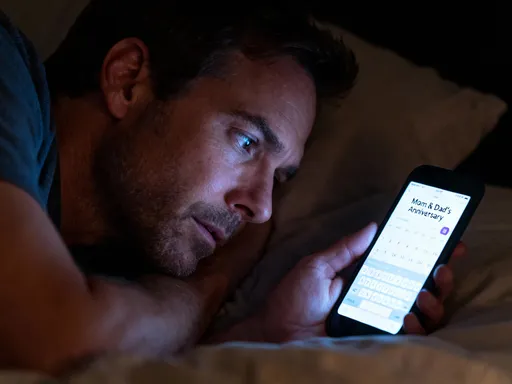
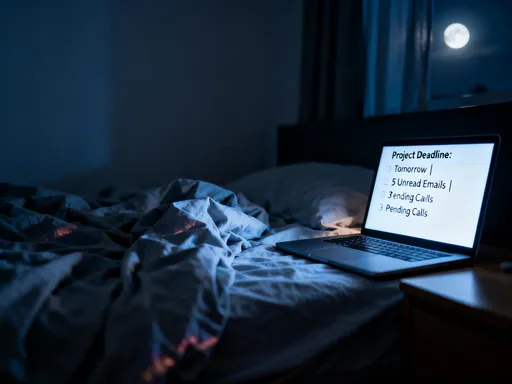
Picture this: it’s 11:30 PM. The house is quiet, the kids are asleep, and you finally have a moment to yourself. You grab your phone—just to check in. One quick look at your task list. Maybe you’ll mark a few things as done. Or add that thing you forgot earlier. It feels responsible, right? Like you’re staying on top of things. But instead of feeling in control, you end up lying there, wide awake, thinking about the email you need to send, the report due Thursday, the grocery list you haven’t started. Sound familiar?
This isn’t just a bad habit—it’s a modern dilemma. We’ve been taught that being organized means being always-on. That checking our task manager one last time is a sign of diligence. But here’s the truth: that final scroll through your to-do list doesn’t prepare you for tomorrow. It hijacks your present. Instead of winding down, your brain kicks into high gear. And that little screen glow? It’s not just disrupting your melatonin. It’s feeding your anxiety.
I used to think I was being productive. I’d close my laptop, then open my phone. I’d tell myself, “Just one more look.” But that one look turned into 20 minutes of rearranging tasks, rereading messages, and mentally drafting replies. And every time, I paid the price the next morning—groggy, unfocused, and somehow even more behind. What I didn’t realize then was that my tools weren’t the problem. It was how I was using them. The same app that helped me stay organized during the day was stealing my rest at night.
And I’m not alone. So many women I talk to—mothers, professionals, entrepreneurs, creatives—share this same ritual. We’re juggling so much: work, family, home, personal goals. We want to do it all well. So we cling to our lists like lifelines. But instead of feeling calmer, we end up more overwhelmed. That midnight task check doesn’t bring peace. It brings pressure. It turns rest into another item on the agenda. And over time, that takes a real toll—not just on sleep, but on our sense of calm, our joy, and our ability to show up as our best selves.
Why Your Brain Can’t Switch Off (And How Work Apps Make It Worse)
Have you ever tried to fall asleep, only to have your mind replay a conversation from three days ago? Or suddenly remember a bill you forgot to pay? That’s your brain doing what it’s designed to do: stay alert to unfinished business. Psychologists call this the Zeigarnik effect—the tendency to remember uncompleted tasks more than completed ones. It’s why you can’t forget that half-written email or the meeting agenda you haven’t reviewed. Your mind keeps nudging you, like a persistent whisper: “Don’t forget this.”
Now, imagine that whisper is amplified by a red notification dot on your phone. Or a reminder that pops up at 10 PM saying, “Don’t forget: prep for tomorrow’s presentation.” That’s not just a nudge. It’s a full-on alarm. And when it happens right before bed, your brain doesn’t know it’s supposed to wind down. It thinks, “Ah, here’s something urgent! Time to focus!” Even if you don’t respond, even if you just glance at it, your nervous system registers it as a demand.
Think of it like leaving the kitchen messy after dinner. Dishes in the sink, counters cluttered, stove still on. You wouldn’t expect to feel relaxed sitting in that space, right? Your environment sends signals. A clean kitchen says, “You’re done. You can rest.” But a messy one says, “There’s more to do.” Your digital workspace works the same way. When your task app is full of open items, unread messages, and overdue flags, it’s like walking into a chaotic kitchen every time you open it. And if you do that right before bed? You’re inviting stress into your sanctuary.
Here’s the thing: your project management tool wasn’t built with sleep in mind. It was built to keep you moving, responding, checking things off. That’s great during the day. But at night, that same design works against you. Every open tab, every pending task, every unread message creates what experts call “cognitive load”—mental clutter that makes it harder to relax. And the more you check, the more you reinforce the idea that you need to be “on” all the time. It’s not laziness that keeps you scrolling. It’s a system that rewards constant attention—and punishes disconnection.
But here’s the good news: you don’t have to choose between being organized and being rested. You can have both. It starts with understanding that clarity—not constant checking—is what truly helps your brain let go. When you close your workday with intention, when you give your mind a clear signal that “today is done,” you create space for rest. And that doesn’t happen by checking one last time. It happens by stepping away—with confidence.
The Hidden Link Between Evening Planning and Morning Calm
For years, I thought the solution was to plan at night. I’d stay up late, rearranging my to-do list, trying to “get ahead.” But I was solving the wrong problem. I wasn’t preparing for tomorrow. I was borrowing stress from it. What finally changed was a simple shift: I moved my planning from bedtime to late afternoon. Just 15 minutes, around 4:30 or 5 PM, before the household chaos kicks in. That’s when I do what I now call my “closing the workday” ritual.
It starts with opening my project management app—not to add new tasks, but to review what’s done and what’s next. I mark completed items. I reschedule anything that didn’t get done, without guilt. Then, I pick three key tasks for the next day. Just three. Not ten. Not twenty. Three. I make them specific: “Draft first section of client proposal,” not “Work on proposal.” And I add one personal item—something just for me, like “Call Mom” or “Read 20 pages.” This helps me remember that my day isn’t just about work. It’s about life.
Once that’s done, I write those three tasks on a small notepad. Yes, paper. There’s something powerful about seeing them outside the screen. Then I close the app. I turn off work notifications. And I say out loud, “My workday is done.” Sounds silly? Maybe. But saying it anchors the moment. It’s a signal to my brain: “You’ve done what you can. It’s time to transition.”
This small routine has made a huge difference. Because now, when bedtime comes, I don’t need to check my tasks. I already know what’s on my plate. That mental clarity—knowing I’ve prepared without overloading—lets me relax. And when I wake up, I don’t start the day scrambling. I start with focus. I look at my notepad, tackle the first task, and build momentum. It’s not magic. It’s design. I’ve designed my workflow to support both my productivity and my peace.
And here’s what surprised me: I didn’t lose control by stopping the nighttime checks. I gained it. Because now, my plan isn’t reactive. It’s intentional. I’m not responding to whatever pops up. I’m choosing what matters. And that sense of control? It spills over into everything—how I parent, how I work, how I care for myself. It turns out that a calm morning starts the day before.
Designing a Bedtime-Friendly Workflow
Changing a habit isn’t about willpower. It’s about structure. You can’t just tell yourself, “Stop checking your phone at night,” and expect it to work. You need a system that makes the right choice easy and the wrong one harder. That’s why I redesigned my workflow to protect my evenings—without sacrificing productivity.
The first change was setting a digital cutoff time. For me, it’s 7 PM. After that, I turn off non-urgent notifications on my work apps. I don’t delete them. I don’t ignore them. I just snooze them. Most platforms let you schedule when you receive alerts. I use that feature like a charm. If a message comes in after 7, I’ll see it tomorrow morning. No exceptions. And you know what? The world doesn’t end. Nothing urgent ever actually came through at 10 PM that couldn’t wait until 9 AM.
Another game-changer was using the “schedule send” feature in my email and messaging apps. If I think of something late in the day, I write it, then schedule it to send the next morning. That way, I capture the idea without disrupting my evening. It’s like telling my brain, “I’ve got this. You can let go now.” And it works. I don’t lose ideas. I just release the pressure to act on them immediately.
I also created a “next-day starter list” in my project app. It’s a special section—just a few items I know I’ll want to tackle first thing. I update it during my afternoon review. Then, in the morning, I open the app, see that list, and dive in. No decision fatigue. No scrolling through 50 tasks. Just a clear starting point. It’s like leaving breadcrumbs for my future self.
And here’s a small but powerful habit: I charge my phone outside the bedroom. I use an old-school alarm clock now. It was hard at first—I missed the convenience. But within a week, I noticed I was falling asleep faster. I wasn’t tempted to “just check” one more thing. And when I wake up, I start the day with intention, not reactivity. These changes weren’t drastic. But together, they created a boundary that my mind could trust. And that trust? That’s what makes rest possible.
Tools That Help—Without Hijacking Your Night
Let’s be honest: not all project management tools are created equal. Some feel like they’re designed to keep you hooked—endless notifications, flashing badges, that little red dot that won’t go away. But others? They can be calm, clear, and supportive—more like a quiet assistant than a loud alarm. The key isn’t which app you use. It’s how you use it.
I’ve tried a few over the years, and what I’ve learned is that the best ones give you control. They let you customize notifications, organize tasks by priority, and create clean, simple views. I don’t need to see everything at once. I just need to see what matters now. So I use the focus mode in my app—it hides everything except my top three tasks. It’s like putting blinders on a horse. Not in a limiting way. In a focusing way. It keeps me on track without distraction.
I also use task categorization to separate work, home, and personal goals. That way, when I’m in “work mode,” I’m not distracted by my grocery list. And when I’m in “home mode,” I’m not stressed by my project deadlines. It sounds simple, but it makes a big difference in mental clarity. I can fully be where I am—without my mind jumping ahead or behind.
And I’ve learned to treat my tools like helpers, not bosses. I don’t let them dictate my time. I decide when to check them, how long to stay, and what to prioritize. I turn off sounds and vibrations for non-urgent items. I use color codes to mark urgency—green for “can wait,” yellow for “this week,” red for “today.” It’s visual, not stressful. And I schedule regular “check-in” times—like my afternoon review—so I’m not constantly reacting.
The goal isn’t to avoid technology. It’s to use it with intention. When you do that, your tools stop feeling like demands and start feeling like support. They work for you, not the other way around. And that shift—from being managed by your app to managing it—changes everything. It gives you back your time, your focus, and your peace.
Building a New Habit: From Guilt to Grace
If I’m honest, the hardest part wasn’t the tech changes. It was the guilt. For so long, I equated busyness with worth. If I wasn’t checking tasks at night, I felt like I was slacking. Like I wasn’t “on top of things.” I worried I’d forget something important. That I’d fall behind. That I wasn’t doing enough.
But over time, I started to see the truth: rest isn’t the enemy of productivity. It’s the foundation. When I sleep well, I think clearer. I respond more calmly. I make better decisions. I have more energy for the people I love. That’s not laziness. That’s strength. And protecting my rest isn’t selfish. It’s necessary.
So I started reframing my mindset. Instead of asking, “Did I do enough today?” I began asking, “Did I care for myself today?” That small shift changed everything. I stopped measuring my worth by my to-do list. I started measuring it by my presence—how present I was with my kids, my partner, my work, myself.
And I gave myself grace. Some days, I still check my phone too late. Some days, I reschedule my afternoon review because life happens. But I don’t beat myself up. I just reset. I remind myself that habits aren’t about perfection. They’re about direction. And every time I choose rest, I’m moving in the right direction.
This journey hasn’t been about becoming superhuman. It’s about becoming more human. More balanced. More at peace. And the more I practice this, the more natural it feels. I don’t miss the midnight scrolling. I don’t miss the anxiety. I love waking up feeling rested, clear, and ready. And I’ve realized something powerful: when I protect my rest, I protect my life.
Rest That Works: Reclaiming Sleep, Clarity, and Control
Looking back, I see how much I gave up for the illusion of control. I traded sleep for screen time. Peace for productivity. Presence for planning. And for what? A few extra tasks checked off? Not worth it. What I’ve gained since changing my approach—better sleep, calmer mornings, sharper focus—is infinitely more valuable.
True productivity isn’t about doing more. It’s about doing what matters—with clarity and calm. It’s about using technology to support your life, not steal from it. And it’s about recognizing that rest isn’t a reward for finishing everything. It’s a requirement for doing anything well.
When you stop bringing work to bed, you don’t lose control. You reclaim it. You take back your evenings, your sleep, your mental space. You show up the next day not drained, but energized. Not scattered, but focused. Not anxious, but prepared.
And here’s the beautiful part: this isn’t just about tasks. It’s about values. It’s about choosing peace over pressure, presence over performance, balance over busyness. It’s about saying, “My worth isn’t measured by how much I do. It’s measured by how well I live.”
So if you’re still scrolling through tasks at midnight, I get it. I’ve been there. But I also know there’s another way. One where your tools serve you, not stress you. One where your evening is yours. One where you can lie down, close your eyes, and truly rest—because you’ve already taken care of what matters. And that, my friend, is the most productive thing you can do.