Cut my morning chaos by 70%: How window sensors organized our family life
Mornings used to be a mess—shoes lost, backpacks forgotten, and someone always rushing back in. Then we installed simple door and window sensors, not just for security, but to quietly guide our routine. Within days, the beeps reminded kids to close windows before school, the alerts caught forgotten backpacks, and our rhythm improved. It wasn’t about safety alone—it was about peace, order, and breathing easier. Let me show you how a tiny tech tweak made our home life feel lighter, smarter, and more connected.
The Morning That Changed Everything
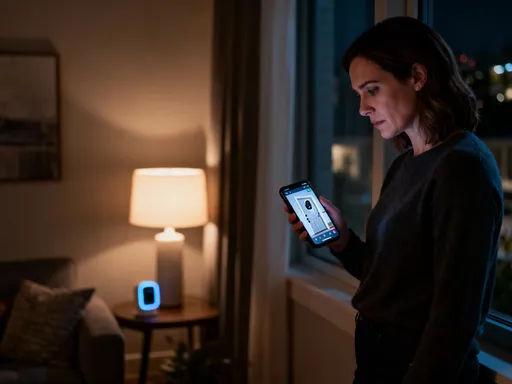
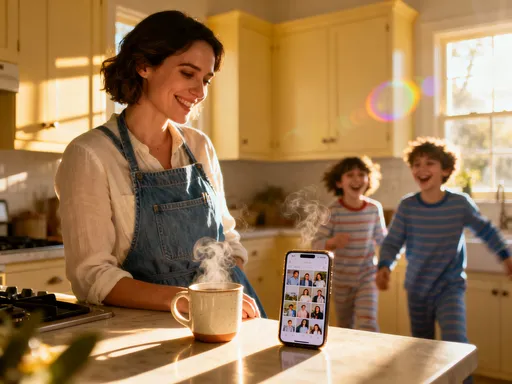
It was a rainy Tuesday in March, and like most mornings, everything felt like it was unraveling before 7:30 a.m. My son had left his jacket on the porch swing, my daughter couldn’t find her math homework, and I was digging through the laundry basket for my husband’s missing work badge. The dog was barking at the mail carrier, the coffee had spilled, and the kitchen window—left wide open from the night before—was letting in a steady stream of damp air and the first drops of a brewing storm. I remember standing there, one sock on, shouting, “Who left the window open again?” when my phone buzzed with a quiet alert: “Patio window opened—still open.”
It wasn’t a siren. It wasn’t dramatic. But that little notification stopped me in my tracks. I closed the window just in time—seconds before the downpour hit. No soaked furniture, no ruined books, no extra cleanup. Just a soft chime from my phone that said, “Hey, don’t forget this.” That moment was the first time I realized these sensors weren’t just for when something bad happened. They were for the thousand small things that never made it into parenting books—like remembering to shut the window after the kids played outside, or catching that one backpack left on the counter before the school bus arrived.
What started as a security upgrade became something more personal. It wasn’t about catching intruders. It was about catching life’s little oversights before they turned into stress. And honestly, that rainy morning was the last time I felt completely overwhelmed by our routine. The sensors didn’t fix everything—but they gave us a new rhythm. A way to breathe.
From Security to Routine: A Shift in Perspective
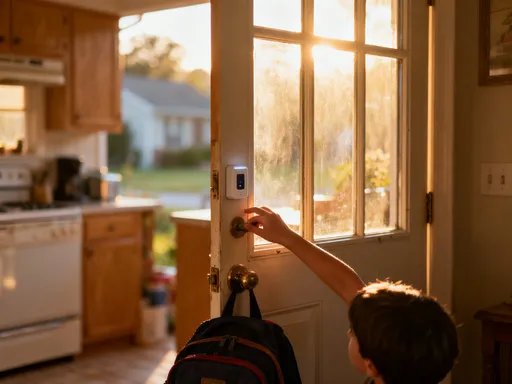
When we first got the sensors, I’ll admit, I thought of them like little guards—silent watchers making sure no one broke in. We installed them on the front door, the back sliding glass, and the basement windows because our neighborhood had a few break-ins last year. But within a week, I noticed something unexpected: I was paying more attention to when things opened and closed, not just if someone was trying to get in. My daughter’s bedroom door opened at 6:47 every morning. The garage door clicked open at 7:12—right when my husband left for work. The kitchen window, which the kids loved to leave ajar after sneaking in from the yard, was being caught—by the sensor, not by me.
That’s when it hit me: these weren’t alarms. They were reminders. Gentle, consistent, and never judgmental. Instead of me yelling, “Close the window!” for the hundredth time, the house itself was saying, “Hey, that’s still open.” And somehow, that made all the difference. My kids didn’t feel nagged. I didn’t feel like the bad guy. The tech just… knew. And knowing gave us all a little more grace.
We started using the app not to check for danger, but to check in. Did the babysitter arrive on time? Yes—door opened at 3:58. Did the dog walker let herself in? Garage door at 1:15. Did my son actually leave for school? Front door closed at 7:49. No more calling, no more guessing. Just quiet confirmation. It wasn’t surveillance. It was support. And that shift—from fear to function—changed how we saw our home. It wasn’t just a place we lived. It was a space that could help us live better.
Organizing Family Flow with Tiny Alerts
One of the biggest surprises was how much we could learn from the patterns. At first, I just looked at the alerts as they came in. But after a few weeks, I started noticing rhythms. My daughter got home from school at 3:28 every day—unless she had soccer, then it was 5:12. My husband usually opened the garage around 6:05 p.m., but if he was stuck in traffic, I’d see the delay and know not to start dinner too early. The basement window, which we’d forgotten about for years, was being opened by the kids during summer playdates and left open for hours. Now, a simple alert told us—no more moldy air or bugs by bedtime.
These little data points became our family’s invisible calendar. We didn’t need to ask, “Did you get home yet?” or “Is the garage locked?” The house answered for us. And that saved so much mental energy. I stopped repeating myself. I stopped worrying. I stopped walking room to room, checking doors and windows like a robot on patrol. Instead, I could be present—helping with homework, starting dinner, or just sitting with a cup of tea, knowing I’d be alerted if something needed my attention.
Even our dog benefited. He loves to chase squirrels, and more than once, he’d dart out when someone forgot to latch the back door. Now, if the patio door opens and closes in under 10 seconds—especially when no one’s supposed to be outside—we get a “quick open” alert. More than once, that’s helped us catch him before he got halfway down the block. It’s not just about security. It’s about flow. About making our home work with us, not against us.
Helping Kids Build Responsibility—Without Nagging
Let’s be honest—parenting is full of reminders. “Turn off the lights.” “Hang up your coat.” “Close the door behind you.” I was starting to sound like a broken record. And the more I repeated myself, the less my kids listened. Then one day, my daughter got a notification on her tablet: “Bedroom window still open.” She hadn’t even told me she’d left it open after letting in fresh air. But the sensor did. She looked at the alert, said, “Oops,” and went to close it. No lecture. No power struggle. Just a quiet nudge from the house.
That became our new normal. Instead of me policing the windows, the system did. And over time, something beautiful happened: my kids started internalizing the habit. They’d check the app before leaving for school. They’d remind each other, “Did you shut your window?” They even started closing doors without being asked—because they knew the alert would go off if they didn’t. It wasn’t about fear of punishment. It was about feedback. Real-time, gentle, and consistent.
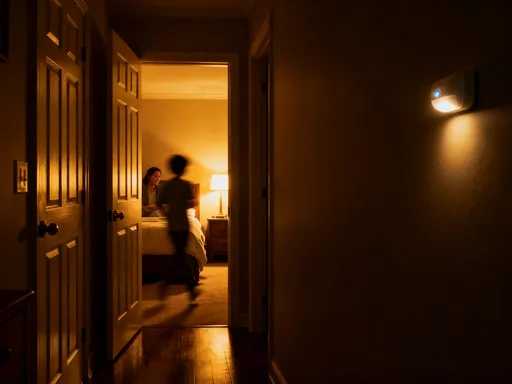
I saw the same thing with bedtime. We set a rule: bedroom doors should be closed by 9 p.m. Not locked—just closed, to keep the house quiet and the temperature even. At first, I’d have to go around every night. Then we started using the sensor alerts. If a door was still open past 9:15, we’d get a notification. After a few weeks, the alerts became rare. The kids were doing it on their own. They weren’t being controlled by tech—they were learning from it. And that, to me, is the real win. Not convenience. Growth.
Peace of Mind That Frees Up Energy
Here’s what no one talks about: the mental load of running a household. It’s not just the chores. It’s the constant checking, the remembering, the worrying. Did I lock the front door? Is the oven off? Did the kids come home safely? Before the sensors, I’d lie in bed replaying the day, mentally walking through the house. Now, I don’t have to. I open the app, and in three seconds, I know everything is as it should be. Front door: locked. Windows: closed. Garage: secure. That tiny bit of certainty? It’s like a weight lifted.
And that freedom—mental and emotional—has spilled into every part of my life. I’m more focused at work because I’m not distracted by home worries. I’m more patient at dinner because I’m not already drained from a day of micro-stress. I’m more present with my family because I’m not half-listening, half-wondering if I left the basement window open again. The sensors didn’t take over parenting. They just gave me back some space. Space to breathe. Space to think. Space to just be.
It’s not that I trust the tech more than I trust myself. It’s that I trust it to handle the small stuff, so I can focus on the big stuff—like helping my daughter through a tough day at school, or really listening when my husband talks about his week. That’s the real magic. Not the alerts. Not the data. The peace that comes from knowing you’re not alone in holding it all together.
Unexpected Wins: From Pet Safety to Chore Tracking
Some of the best benefits were the ones we never planned for. Like the time the cat slipped out through the kitchen door when my son forgot to latch it. We got an alert—“Back door opened”—and within 30 seconds, we were outside, calling her. She was only two houses down, but without that alert, she might have wandered farther. Now, we’ve set up a special notification for quick door openings during the day—especially when no one’s home. It’s saved us from more than one potential escape.
Then there’s the air quality angle. We live in a humid climate, and we used to get musty smells in the basement after rainy days. Now, if a window is left open too long, we get a reminder—and we can also track how often we ventilate. It sounds small, but better airflow means fewer allergens, less mold, and a healthier home. I’ve even started using the sensor logs to remind myself to change the air filters—when I see that we’ve had a lot of window activity, I know it’s time to refresh the system.
And yes, we even use it for chores. Our cleaning lady comes twice a month, and now I can see exactly when she arrives and leaves—just by checking the front door log. No more guessing. No more awkward calls to confirm. Plus, it’s helped the kids with their responsibilities. We have a rule: if you use the basement playroom, you have to close the window and turn off the lights. Now, I can check the sensor and the smart plug to see if they followed through. Not to catch them—but to celebrate when they did. “I saw you closed the window after your friends left. That was so responsible!” That kind of feedback means more than a scolding ever could.
Making It Work for Your Home—No Expertise Needed
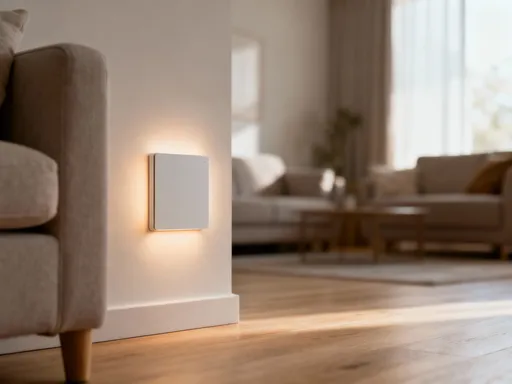
If you’re thinking, “This sounds great, but I’m not tech-savvy,” I get it. I wasn’t either. I thought setting this up would be complicated—wires, apps, passwords, all that jargon. But it wasn’t. We started with just three sensors: front door, back patio, and basement window. They stick on like tape—no tools, no drilling. You just download the app, follow the setup steps (they walk you through it), and within 20 minutes, you’re connected.
The key is to start small. Pick one problem—like kids forgetting backpacks or leaving windows open—and place a sensor there. Then, customize the alert. You don’t need every notification. I turned off the “door opened” alerts during the day when we’re home, but I kept the “still open after 10 minutes” ones. That way, I only get pings when something’s actually wrong. You can even set schedules—like getting alerts only after 8 p.m. or on school days.
Privacy was a concern at first, but I learned that most systems keep data on your phone or in encrypted cloud storage. We chose one that doesn’t record video or audio—just door and window status. And we made sure the kids understood it wasn’t about spying. It was about helping. We even let them help pick the alert sounds—my daughter chose a soft chime, my son picked a little “ding.” Now, it feels like part of our family rhythm, not a surveillance tool.
You don’t need the most expensive system. You don’t need a smart home hub. Many sensors work with basic Wi-Fi and connect to apps you can use on any phone. Some even send text alerts if you don’t want to use an app. The goal isn’t to turn your house into a lab. It’s to make life a little smoother, a little calmer, a little more in sync.
Tech That Serves Life, Not the Other Way Around
These tiny sensors didn’t change our house—they changed how we live in it. Not with flashy features or voice commands, but with quiet awareness. They didn’t replace parenting or discipline. They supported them. They didn’t take over our lives. They helped us reclaim them. In a world full of noisy gadgets that demand our attention, this simple tech gave us something rare: calm, connection, and a little more room to breathe.
I still remember that rainy morning—the chaos, the stress, the open window. Now, when I think of it, I don’t feel frustration. I feel gratitude. For the little beep that saved the day. For the quiet way technology can serve us, gently and without fanfare. For the way something as small as a sensor can help a family feel more organized, more cared for, and more at peace.
If you’re tired of the morning rush, the forgotten things, the mental load of remembering it all—try this. Start with one sensor. One door. One window. Let your home help you, just a little. You might be surprised at how much lighter life feels when you’re not holding everything together alone.