I always forget our anniversary — How a simple app fixed my family’s memory problem (and improved our sleep)
We’ve all been there—rushing through life, missing small but meaningful moments. I once forgot my parents’ wedding anniversary, and the guilt kept me up all night. Sound familiar? That moment changed how I saw technology. It’s not about flashy gadgets; it’s about real help. A quiet reminder app didn’t just fix my memory—it brought our family closer and finally gave me peaceful nights. Let me show you how something so simple made such a big difference.
The Night I Couldn’t Sleep — A Forgotten Anniversary That Changed Everything
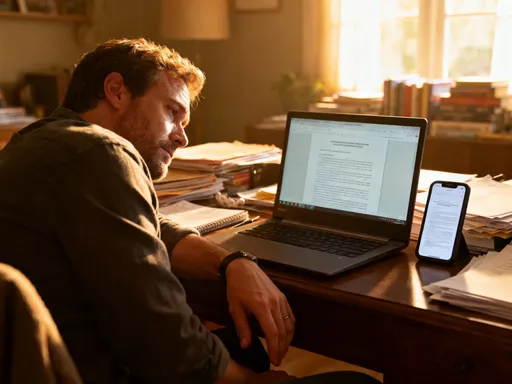
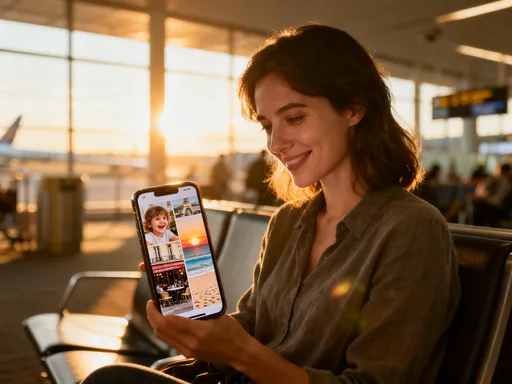
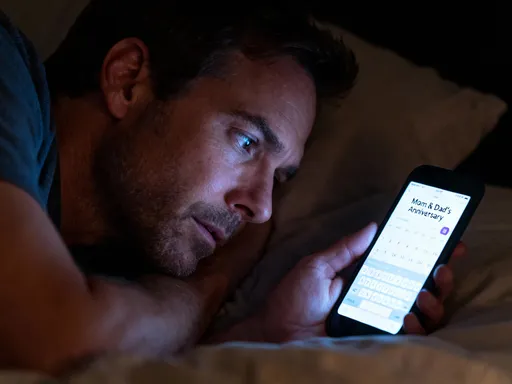
I still remember that Sunday night like it was yesterday. I was tucked under the covers, phone in hand, scrolling through photos from last summer’s family picnic. My parents were laughing in one picture, my mom leaning into my dad’s shoulder, both wearing those silly sunglasses we’d bought at the beach. I smiled, then froze. The date stamp read June 12. I quickly checked the calendar on my phone. June 12. That was today. Their 40th wedding anniversary. And I hadn’t called. Not a text, not a card, not even a quick voice message. Nothing.
The guilt hit me like a wave. I sat up, heart pounding. How could I forget something so important? These are the people who raised me, who taught me how to tie my shoes, who stayed up with me when I was sick, who celebrated every milestone I ever had. And here I was, their daughter, forgetting the day they promised to love each other for life. I felt like I’d failed not just them, but the idea of family itself.
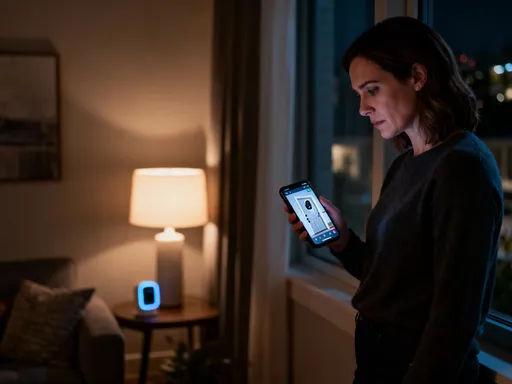
I spent the next three hours staring at the ceiling, replaying every missed moment. I imagined my mom’s quiet disappointment, my dad trying to brush it off with a joke. I thought about how memory isn’t just about facts—it’s about showing up, about care, about love in action. And in that moment, I realized something: my busy life wasn’t an excuse. The real problem wasn’t my schedule. It was my system. Or rather, the lack of one. I needed help—not just to remember dates, but to protect what mattered most. That night, I made a promise to myself: no more sleepless nights over forgotten moments. I would find a way to do better. And that’s how I began my journey with a simple reminder app.
From Chaos to Calm — Why Family Memories Matter More Than We Think
We don’t always realize how much small moments shape our family’s emotional world. It’s not just about birthdays or anniversaries—though those matter deeply. It’s about the rhythm of remembering. When we acknowledge a loved one’s special day, we’re really saying, “You matter. I see you. I’m paying attention.” And when we forget? Even if we don’t say it out loud, the silence can feel like neglect.
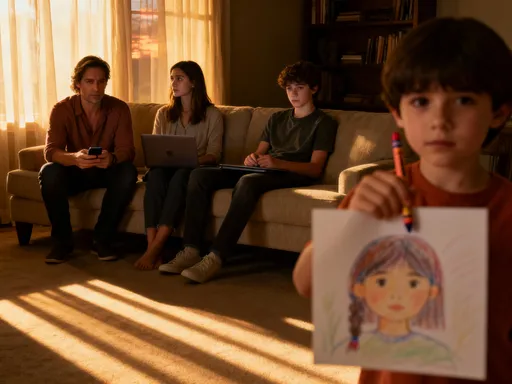
I started paying attention to how often these little gaps showed up. My sister’s son turned eight, and no one in the family called. My cousin’s first art show went unattended. My nephew’s school play had empty seats where our faces should have been. These weren’t huge events on the surface, but the emotional cost was real. I noticed how my mom would mention in passing, “No one remembered my birthday this year,” and then quickly add, “But it’s okay,” as if she had to protect us from her own sadness.
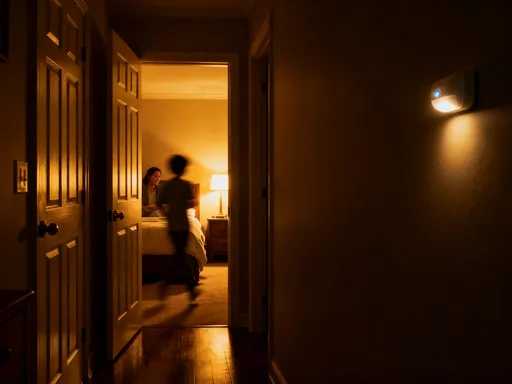
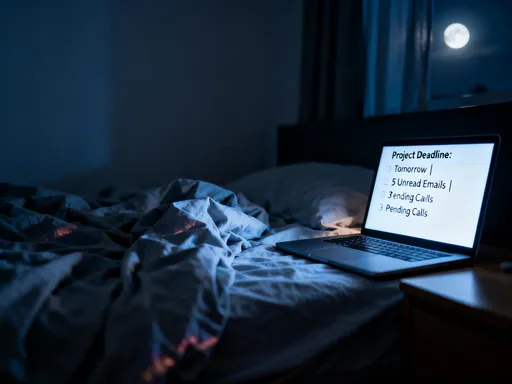
What I didn’t realize then was how much this chaos was affecting my own well-being. The constant mental load of trying to remember everything—doctor’s appointments, school pickups, grocery lists, and now emotional dates—was exhausting. My mind was always running, always one step behind. And at night, when I finally had a chance to rest, that’s when the thoughts would come. Did I reply to that email? Did I sign the permission slip? Did I call Grandma? That mental clutter made it nearly impossible to fall asleep. I was tired, but my brain wouldn’t shut off.
Research shows that emotional stress and unresolved guilt can significantly disrupt sleep. When we feel we’ve let someone down, especially someone we love, our brains hold onto that tension. It’s not just about missing an event—it’s about the fear of being seen as careless, forgetful, or worse, unloving. And over time, that fear chips away at our peace. I realized I wasn’t just forgetting dates—I was losing sleep, joy, and connection. I needed a change. Not a big one. Just something small, reliable, and kind.
The Tiny Tech Fix That Changed Our Rhythm — Discovering Anniversary Reminder Apps
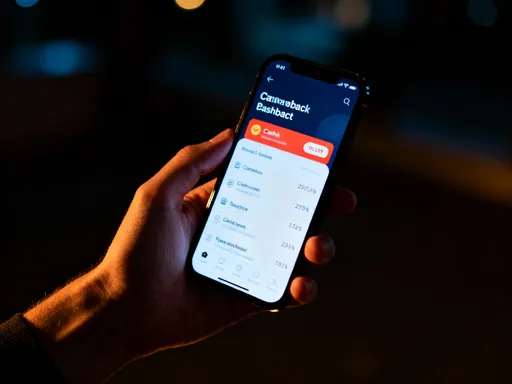
It started with a simple search: “how to remember family birthdays.” I wasn’t looking for anything fancy—just a way to stop feeling like I was failing everyone. That’s when I found reminder apps. Not the kind with flashing ads or complicated settings. Just clean, simple tools that let you add events, set alerts, and share them with others. I downloaded one that synced with my calendar and allowed family members to add their own dates.
The first thing I did was enter my parents’ anniversary. I added it with a note: “40 years of love—call and send flowers.” I set the reminder for one week in advance, then again three days before, and finally on the day itself. It felt almost too easy. No setup wizard, no tech jargon, no confusing menus. Just type, save, done. I showed my sister, and she laughed. “That’s it? You’re going to let an app remember for you?” But then she paused and said, “You know what? I could use that for my kids’ school events.”
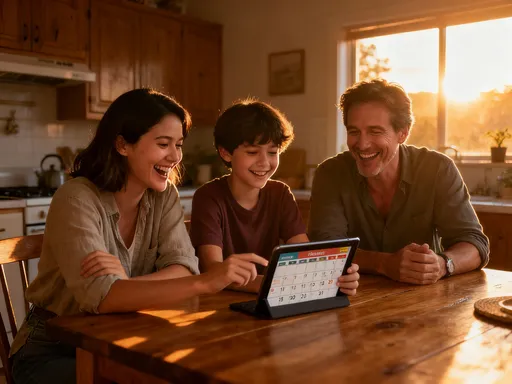
Within a week, we’d created a shared family calendar. We added birthdays, anniversaries, pet adoption days, even “Mom’s Favorite Soup Day.” The app sent gentle notifications—not loud alarms, just soft pings that said, “Hey, don’t forget—Dad’s birthday is coming up.” And something shifted. The weight on my shoulders lightened. I wasn’t relying on my memory anymore. I had a system. A safety net.
The real test came a month later. The app reminded me two days before my mom’s birthday. I had time to order her favorite cake, call her early in the morning, and even plan a small surprise visit. When I walked in with balloons and her favorite tea, she burst into tears. “You remembered,” she said. “And not at the last minute.” That moment—it wasn’t about the cake or the balloons. It was about showing up with intention. And for the first time in years, I slept through the night.
Turning Alerts Into Rituals — How Reminders Deepen Connection
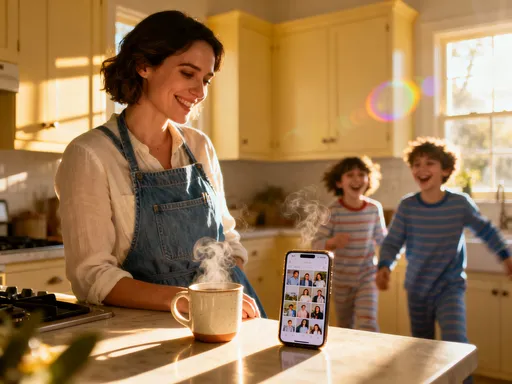
What surprised me most wasn’t just that I remembered more dates—it was how those reminders turned into real moments of connection. The app didn’t just tell me when something was coming up. It gave me time to prepare, to think, to care. Instead of a last-minute text that said, “Happy birthday!” at 11:58 PM, I could make a real plan.
Take my nephew’s birthday. The reminder popped up a week early. I didn’t just buy a gift. I called his mom to ask what he was into these days. I found a book he’d mentioned in a school project and wrapped it with a handwritten note. On the day, I video-called during his party. He waved at the screen, shouting, “Auntie! You’re here!” That moment—small, simple, but full of joy—wouldn’t have happened if I’d forgotten again.
My sister started using the app too. She set a reminder for the first day of spring every year. Now, on that day, she takes her kids on a nature walk, collects flowers, and makes a little scrapbook. She calls it “Our Spring Promise.” Another cousin uses it to remember her late father’s birthday. She lights a candle, plays his favorite music, and shares stories with her children. The app doesn’t create the ritual—but it makes sure it’s not forgotten.
I even started adding small, personal moments—like “Call Dad and ask about his garden” or “Send Mom a funny meme.” These weren’t big events, but they kept us connected between the major dates. And you know what? My family started doing the same. I’d get a message: “Saw your reminder—thought you’d like this photo of the sunset.” The alerts weren’t cold or robotic. They became invitations—to love, to memory, to presence.
Syncing Lives Without Syncing Screens — Keeping It Human, Not Digital
I’ll admit, I was nervous at first. What if this turned into just another screen habit? What if we started caring more about checking the app than actually connecting? I didn’t want technology to replace real moments. I wanted it to protect them.
So I made a rule for myself: the app reminds me, but I decide how to respond. The notification might say, “Mom’s birthday in 3 days,” but the call, the card, the voice message—that’s all me. I started pairing digital alerts with analog gestures. Instead of just texting “Happy birthday,” I’d record a short voice note saying how much I loved her. I’d mail a real card with a pressed flower from my garden. I’d send a photo album link, but also promise to print it and bring it next time I visited.
My sister does something similar. When the app reminds her of her son’s school concert, she doesn’t just mark it on her phone. She packs his favorite snack, writes him a little note (“So proud of you!”), and makes sure she’s there early to get a good seat. The tech helped her remember. The love made her show up.
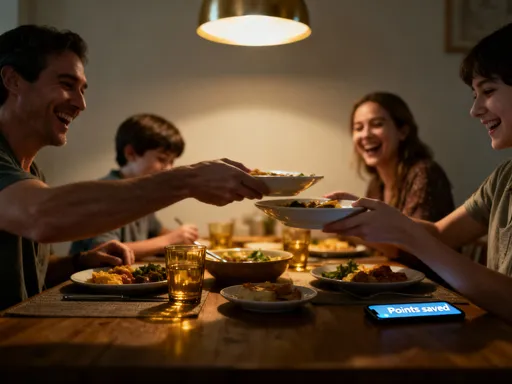
We also started using the app to share memories, not just dates. I added a note to my parents’ anniversary: “Watch the home video from their wedding dance.” On the day, we all gathered around the laptop, laughing at Dad’s dance moves, tears in Mom’s eyes. The app didn’t create that moment—but it made space for it. It reminded us not just of the date, but of the story behind it.
Technology, when used with intention, doesn’t distance us. It can actually bring us closer—by giving us the time, the space, and the nudge we need to care well. It’s not about replacing handwritten notes with digital ones. It’s about making sure the handwritten note gets written at all.
Better Sleep, Stronger Bonds — The Unexpected Link Between Memory and Rest
One of the most unexpected benefits of using the reminder app was how much better I began to sleep. Seriously. Within a few weeks, I noticed I wasn’t lying awake, replaying the day, wondering what I’d missed. My mind felt quieter. Calmer. More at peace.
I looked into why this might be. As it turns out, psychologists talk about something called “cognitive closure”—the need to feel that things are settled, complete, taken care of. When we leave tasks or emotional duties unfinished, our brains stay alert, scanning for what’s missing. That’s why unfinished conversations or forgotten promises can haunt us at night.
By using the app, I was giving my mind permission to rest. I knew the reminders were there. I didn’t have to hold everything in my head. It was like handing my mental to-do list to a trusted friend. I could finally let go.
Studies show that people who feel organized and in control of their responsibilities report lower stress levels and better sleep quality. The sense of being “on top of things” reduces anxiety and helps the body transition into rest more easily. For me, it wasn’t about being perfect. It was about knowing I had a system that cared when my memory didn’t.
Now, when I get into bed, my last thought isn’t, “Did I forget something?” It’s more like, “I remembered today. And tomorrow, I’ll remember again.” That small shift—from guilt to grace—has changed everything.
Building a Family Memory System — Simple Steps to Start Today
If you’re feeling overwhelmed, like I was, here’s how to start—simple, gentle, no pressure. First, pick one app or calendar tool that works for you. It could be the one built into your phone, or a free app like Google Calendar or Apple Reminders. The key is that it lets you set recurring events and share them with others.
Next, gather your family’s key dates. Sit down with a notebook or open a shared document. Ask everyone to contribute—parents, siblings, kids, even grandparents. Include birthdays, anniversaries, graduations, pet birthdays, favorite holidays, or even “First Day of Summer.” Make it fun. Laugh about the weird ones. This isn’t about perfection. It’s about connection.
Now, enter them one by one. Give each event a warm, personal name—like “Mom’s Famous Lasagna Night” instead of just “Dinner.” Add notes if you want: “Call and sing,” “Send a photo,” “Order her favorite flowers.” Set alerts—start with one week, then three days, then the day itself. That way, you have time to plan, not panic.
Invite your family to join. You don’t have to force anyone. Just say, “I’m trying something new to help us remember the people we love. Want to add your dates?” Let them opt in. Let them see how it feels to be remembered.
And finally, be kind to yourself. You’ll miss things sometimes. The app might glitch. Life will get busy. That’s okay. This isn’t about being flawless. It’s about trying. It’s about saying, with every reminder, “You matter to me.” Start small. Add five dates this week. See how it feels. The rest will come.
Peace of Mind, One Reminder at a Time
Looking back, I realize that forgetting my parents’ anniversary wasn’t a failure of memory. It was a wake-up call. It showed me that love needs support. That care needs systems. That even the strongest hearts can use a little help.
The reminder app didn’t change who I am. It helped me become more of who I already was—a daughter, a sister, an aunt, a friend who wants to show up. It gave me back my peace. My sleep. My connection.
Technology doesn’t have to be loud or flashy to be powerful. Sometimes, the most life-changing tools are the quietest ones—the ones that whisper, “Don’t forget,” at just the right moment. They don’t replace love. They protect it.
If you’ve ever lain awake, heart heavy with guilt, wishing you could do better—know this: you can. You don’t need a miracle. You just need one small step. One reminder. One moment of care turned into action.
Because remembering isn’t about having a perfect memory. It’s about having a loving heart. And sometimes, all that heart needs is a little help to be heard.