Why I Systematically Track Every Cost in Luxury Watch Investing
So you’re eyeing luxury watches not just as status symbols, but as real investments? I did too—until I realized how quickly hidden costs can eat into returns. From acquisition premiums to servicing nightmares, I’ve mapped every expense that most collectors ignore. This isn’t about bragging rights; it’s about profit protection. Let me walk you through the cost breakdown that changed my strategy forever. What began as a passion for horology evolved into a disciplined financial practice, grounded in tracking every dollar spent. The truth is, many people buy luxury watches with the hope of future gains, yet few calculate the full cost of ownership. Like any asset, watches require maintenance, security, and strategic timing to maximize value. Without a clear system, emotional decisions overshadow financial logic. This article outlines a structured approach to identifying, recording, and managing the expenses tied to luxury watch investing. By treating each purchase as both a financial commitment and a long-term holding, investors can protect their returns and avoid costly surprises. Let’s explore how systematic cost tracking transforms a sentimental hobby into a sustainable investment strategy.
The Allure and Illusion of Luxury Watch Investing
Luxury watches have long held a unique position in the world of alternative investments. Unlike stocks or bonds, they are tangible, beautifully crafted, and often associated with legacy and prestige. For many, owning a Rolex, Patek Philippe, or Audemars Piguet is not just about telling time—it’s about carrying a piece of history, engineering excellence, and social recognition. This emotional appeal is powerful, and it’s precisely what drives demand in the secondary market. However, beneath the surface of this allure lies a financial reality that many overlook: luxury watches do not generate income. They are not like rental properties that yield monthly cash flow or dividend-paying stocks that return value over time. Their appreciation depends entirely on external factors such as brand reputation, model rarity, and market sentiment. As such, treating them purely as investments requires a shift in mindset—from admiration to analysis.
The illusion begins when buyers assume that all high-end watches will increase in value simply because of their price tag or brand name. In reality, only a small fraction of models appreciate significantly over time. Most experience depreciation immediately after purchase, especially if bought at retail and resold shortly thereafter. The emotional high of acquiring a coveted timepiece can cloud judgment, leading to overpayment or impulsive decisions. This is particularly true in the current climate, where social media amplifies hype around limited editions and celebrity endorsements. When passion overrides prudence, the financial risks multiply. Investors may fail to account for long-term holding costs, liquidity challenges, or shifts in consumer preferences. A watch that is highly sought after today could become oversaturated tomorrow, losing its premium status.
To navigate this landscape successfully, one must treat watch collecting as a serious financial endeavor rather than a trophy-hunting pursuit. This means evaluating each potential acquisition based on objective criteria: historical performance, service requirements, availability of parts, and resale trends. It also means recognizing that value retention is not guaranteed, even for prestigious brands. A disciplined investor asks not just whether a watch is beautiful or rare, but whether it is cost-efficient to own and likely to maintain its market position over decades. By replacing impulse with intention, collectors can build portfolios that balance aesthetic enjoyment with financial sustainability. The foundation of this approach is awareness—of both the potential rewards and the often-overlooked expenses that erode profits.
Acquisition Costs: Beyond the Price Tag
The initial purchase price of a luxury watch is only the beginning of the financial commitment. Many investors focus solely on the sticker value, whether at retail or in the secondary market, without considering the additional layers of cost that accompany acquisition. For example, buying from an authorized dealer may seem straightforward, but access to popular models like the Rolex Daytona or the Patek Philippe Nautilus often comes with long waiting lists and unspoken requirements, such as purchasing other watches first. Even when available, these models frequently sell at a premium in the gray market, where supply constraints drive prices far above retail. A watch with a $30,000 manufacturer’s suggested retail price (MSRP) might fetch $60,000 or more from a private seller, effectively doubling the entry cost before any other expenses are factored in.
Beyond the purchase premium, transaction-related fees add up quickly. Auction houses typically charge buyers a premium of 15% to 25% on top of the hammer price. For a $50,000 watch, this means an additional $7,500 to $12,500 in fees alone. Third-party authentication services, while essential for verifying legitimacy, also come at a cost—ranging from a few hundred to over a thousand dollars depending on the brand and complexity. Shipping and insurance for high-value items must be handled through specialized couriers, further increasing upfront spending. These costs are not incidental; they are integral to the total cost of acquisition and must be accounted for when assessing potential returns.
Moreover, the source of purchase significantly impacts risk and long-term value. Buying from an unauthorized dealer or online marketplace may offer lower prices, but it introduces uncertainties around authenticity, service history, and warranty validity. A watch that lacks original papers or has been improperly serviced may face difficulties in resale, reducing its marketability and future value. On the other hand, purchasing through official channels ensures authenticity and often includes international warranty coverage, though it may require patience and flexibility. Timing also plays a crucial role. Entering the market during a peak of demand can lead to overpayment, while waiting for market corrections or new model releases can result in better entry points. Savvy investors monitor market trends and avoid FOMO-driven purchases, understanding that patience can save thousands in acquisition costs.
Ultimately, a comprehensive view of acquisition costs enables more informed decision-making. By calculating the total outlay—including premiums, fees, shipping, and authentication—investors gain a clearer picture of their break-even point and potential profit margin. This level of diligence separates speculative buyers from strategic investors. When every dollar counts, overlooking even minor expenses can undermine long-term success. Therefore, meticulous record-keeping from the moment of purchase is essential. Tracking not only the price paid but also the associated transaction details creates a foundation for accurate performance evaluation down the line.
Ownership Expenses: The Hidden Drains
Once acquired, the financial responsibilities of luxury watch ownership continue well beyond the initial purchase. Unlike financial assets that can be stored digitally or held in secure accounts, physical watches require ongoing care and protection. One of the most significant yet frequently underestimated expenses is regular servicing. High-end mechanical movements are intricate machines that demand expert maintenance every five to seven years to ensure accuracy and longevity. For simpler models, a routine service might cost between $500 and $1,500. However, for complicated watches—such as perpetual calendars, chronographs, or tourbillions—servicing can exceed $3,000, especially if original parts are required or the work is performed by the manufacturer. Over a 20-year ownership period, these costs can accumulate to several thousand dollars per timepiece, directly reducing net returns.
In addition to servicing, proper storage is critical for preserving value. Watches should be kept in a controlled environment, protected from extreme temperatures, humidity, and magnetic fields. Many serious collectors invest in specialized watch boxes or safes with humidity regulation and shock absorption. For those with larger collections, a dedicated safe room or vault may be necessary, adding to home insurance premiums or requiring separate security systems. These infrastructure costs are often overlooked but represent real financial commitments that contribute to the overall cost of ownership.
Insurance is another essential and recurring expense. Unlike standard homeowner’s policies, which may offer limited coverage for high-value items, dedicated watch insurance provides comprehensive protection against theft, loss, and damage. Premiums are typically calculated as a percentage of the appraised value—often between 1% and 2% annually. For a $50,000 watch, this translates to $500 to $1,000 per year in insurance costs. Moreover, insurers require periodic reappraisals to adjust coverage amounts, which themselves come with appraisal fees. Failing to maintain adequate insurance exposes the owner to substantial financial risk, particularly in the event of an unforeseen incident.
Transportation is yet another cost that arises when watches need to be moved—whether for servicing, resale, or exhibitions. Shipping a luxury watch safely requires insured, tracked, and often signed-for delivery through reputable couriers like FedEx or specialized fine art transporters. International shipping introduces additional complexities, including customs declarations and import duties. Each movement of the watch carries both financial and logistical costs, as well as the inherent risk of damage or loss in transit. Collectors who frequently buy, sell, or service their pieces must factor in these recurring expenses as part of their long-term financial planning. When combined, servicing, storage, insurance, and transportation form a substantial hidden burden that can silently erode the profitability of a watch investment. Recognizing and tracking these costs is vital for maintaining realistic expectations about net returns.
Depreciation and Market Volatility Risks
One of the most misunderstood aspects of luxury watch investing is depreciation. Contrary to popular belief, most watches lose value the moment they leave an authorized dealer’s premises. This immediate drop—often 20% to 40%—mirrors the depreciation seen in automobiles and other luxury goods. While certain models may eventually appreciate due to scarcity or collector demand, the initial loss is nearly universal. This means that even if a watch gains value over time, it must first overcome this early deficit before generating any profit. Investors who plan to sell within a few years are especially vulnerable to this reality, as short-term holding periods rarely allow enough time for appreciation to offset initial depreciation.
Market volatility further complicates the picture. The luxury watch market, while growing steadily over the past two decades, is not immune to economic cycles and shifts in consumer behavior. During periods of financial uncertainty, demand for discretionary items like high-end watches can decline, leading to softer resale prices. Conversely, during bull markets or periods of low interest rates, investors may flock to tangible assets, driving up prices. These fluctuations mean that timing plays a crucial role in realizing gains. A watch sold at the peak of a trend may command a premium, while the same model sold during a downturn could fetch significantly less. Historical data shows that brands like Rolex and Patek Philippe have demonstrated relative resilience, but even their values are not immune to correction.
Within the market, performance varies widely by model and production volume. Limited editions and discontinued references tend to hold or increase in value more reliably than current production models, which benefit from steady supply. For example, a vintage Rolex Submariner or a rare Patek Philippe minute repeater may appreciate over decades due to their scarcity and craftsmanship. In contrast, a modern stainless steel sports watch from a mainstream collection, while popular today, may face oversaturation in the future as more units enter the secondary market. This underscores the importance of research and selectivity in building a watch portfolio.
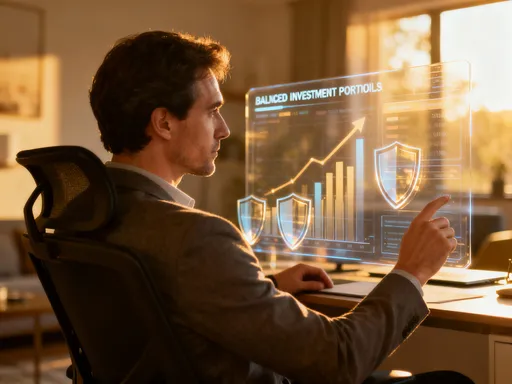
To mitigate these risks, diversification is key. Just as in traditional investing, concentrating too much capital in a single model or brand increases exposure to market shifts. A balanced approach might include a mix of proven appreciators, emerging brands with strong heritage, and historically significant pieces. Additionally, investors should monitor production trends—brands that increase output to meet demand often dilute the exclusivity that drives value. By understanding the dynamics of depreciation and volatility, collectors can make more informed decisions, avoiding emotionally driven purchases and focusing instead on long-term value retention. Tracking market performance over time, alongside ownership costs, provides a clearer picture of true investment returns.
Exit Strategy and Realization Costs
The ultimate measure of a successful watch investment is not how much was paid, but how much is received upon sale. Yet many investors neglect to plan their exit strategy from the outset, leading to suboptimal outcomes. Selling a luxury watch involves more than finding a buyer—it requires navigating transaction costs, authentication hurdles, and market timing. Each of these factors influences the final net return. Auction houses, while offering access to global buyers, charge seller’s commissions that can range from 10% to 20% of the sale price. For a $100,000 watch, this means forfeiting $10,000 to $20,000 in fees. Private sales may avoid these charges, but they require greater effort in finding trustworthy buyers and verifying payment, often involving escrow services that come with their own fees.
Authentication is another critical component of the selling process. Buyers, especially in the secondary market, demand proof of legitimacy. Original boxes, papers, service records, and manufacturer certificates significantly enhance a watch’s resale value. A watch without proper documentation may be subject to skepticism, requiring third-party verification, which delays the sale and adds expense. Some brands, like Rolex and Patek Philippe, offer official archive letters that confirm production details and original sale information—these documents are highly valued and can boost sale prices. However, obtaining them takes time and money, and not all watches qualify.
Market timing is equally important. Selling during a peak in demand—such as when a model is discontinued or featured in popular media—can maximize returns. Conversely, attempting to sell during a market correction or when new models are released may result in lower offers. Investors who track market trends and collector sentiment are better positioned to choose favorable exit windows. This requires ongoing monitoring of auction results, dealer pricing, and online marketplace activity. Platforms like Chrono24, WatchBox, and Sotheby’s provide valuable data on recent transactions, helping sellers benchmark their expectations.
Planning the exit from day one changes the entire investment approach. It encourages buyers to consider not just how much they are willing to pay, but how much they are likely to recover. A systematic cost-tracking framework allows investors to calculate their break-even point and assess whether a sale makes financial sense. By aligning acquisition, ownership, and exit costs into a single analytical model, collectors gain control over their returns. The goal is not to eliminate emotion from collecting, but to ensure that financial clarity guides key decisions. A well-timed, well-documented sale can turn a passion into a profitable venture.
Building a Systematic Cost-Tracking Framework
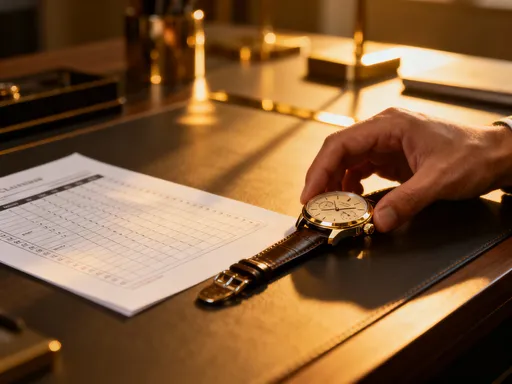
Success in luxury watch investing does not come from luck or speculation—it comes from discipline. The most effective way to maintain that discipline is through a systematic cost-tracking framework. This means recording every expense associated with each watch, from the moment of purchase to the final sale. A simple spreadsheet can serve as a powerful tool, with columns dedicated to acquisition cost, transaction fees, servicing dates and amounts, insurance payments, appraisals, and eventual sale proceeds. Over time, this log becomes a financial dashboard, revealing the true cost of ownership and the actual return on investment.
The process begins at acquisition. Every dollar spent—whether on the watch itself, shipping, insurance, or authentication—should be documented with receipts and notes. When the watch undergoes servicing, the date, service provider, work performed, and cost are entered into the record. Annual insurance premiums and appraisal updates are logged accordingly. If the watch is transported for any reason, those expenses are included as well. When the time comes to sell, the final sale price, platform fees, and any pre-sale authentication costs are added. With all data in one place, the investor can calculate the total outlay, net proceeds, and percentage return over the holding period.
This level of detail removes emotion from decision-making. Instead of relying on memory or sentiment, the investor has an objective record of performance. It becomes clear which watches are cost-efficient to own and which are financial drains. Patterns emerge—perhaps certain brands require more frequent servicing, or specific models depreciate faster than expected. Armed with this knowledge, future purchases can be made with greater precision. The framework also supports tax reporting, estate planning, and insurance claims, adding practical benefits beyond investment analysis.
Digital tools can enhance this system. Cloud-based spreadsheets allow access from multiple devices, while dedicated asset-tracking apps offer features like automated reminders for servicing or insurance renewal. Some investors use accounting software to integrate watch portfolios with broader financial planning. Regardless of the method, consistency is key. The goal is not perfection, but progress—establishing a habit of tracking that turns passion into accountability. Over time, this discipline transforms collecting from a hobby into a structured financial practice, where every decision is informed by data rather than desire.
Balancing Passion and Profit: A Sustainable Approach
Luxury watch investing occupies a unique space where emotion and finance intersect. On one hand, these timepieces are works of art, engineering marvels, and personal milestones. On the other, they are assets that carry real financial implications. The challenge—and the opportunity—lies in balancing these two dimensions. The goal is not to eliminate passion, but to channel it wisely. By systematically tracking costs, investors gain clarity on what their watches truly cost to own and what they realistically return. This knowledge empowers better decisions, reduces impulsive spending, and protects long-term value.
A sustainable approach recognizes that not every watch needs to be a profit center. Some pieces are bought for sentimental reasons, family heritage, or personal enjoyment—and that’s perfectly valid. The key is awareness. When a purchase is made for emotional reasons, it should be treated as a discretionary expense, not an investment. Conversely, when building a portfolio for financial growth, the focus must remain on cost efficiency, value retention, and strategic timing. This dual framework allows collectors to enjoy their passion while safeguarding their financial well-being.
Ultimately, the most successful investors are not those with the rarest watches, but those with the clearest records. They understand that true value is not measured by auction headlines or social media likes, but by net returns after all costs are accounted for. They treat every acquisition as a long-term commitment, plan their exits in advance, and track every expense with diligence. In doing so, they turn a beloved hobby into a disciplined practice—one where knowledge, not hype, drives lasting value. For anyone considering luxury watches as investments, the lesson is clear: passion is the spark, but systematic cost tracking is what keeps the fire burning.